
What Are Mortgage Rates Right Now? Southern California Market Update — April 2026
What Are Mortgage Rates Right Now And What Does It Mean for Southern California Buyers, Sellers & Investors?
Published April 20, 2026 | Wallstreet Realty | www.wallstrealty.com
If you've been watching mortgage rates the way most Californians have — with one eye on your phone and one eye on your budget — here's some news worth reading carefully. Rates just dropped to their lowest point in weeks, and the Southern California housing market is quietly shifting in ways that matter whether you're buying, selling, investing, or just trying to figure out your next move.
This guide breaks it all down in plain English, backed by current data, with a specific focus on what's happening right here in Southern California.
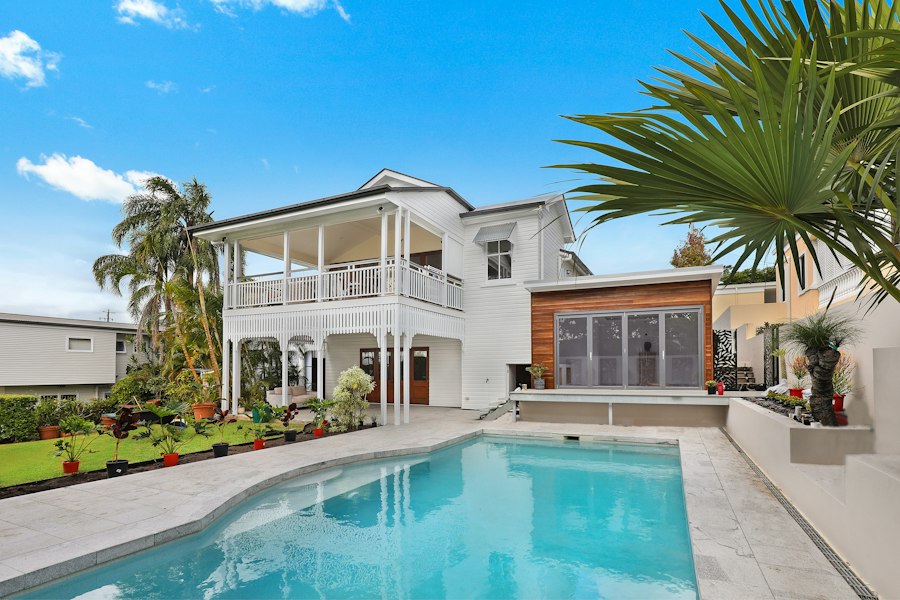
Southern California's housing market remains resilient — and for prepared buyers, opportunities exist.
Where Mortgage Rates Stand Today (April 20, 2026)
Let's start with the number everyone wants to know.
As of April 20, 2026, the average 30-year fixed mortgage rate is approximately 6.04% APR, according to NerdWallet — with Zillow reporting a touch lower at 5.99%. Freddie Mac's weekly Primary Mortgage Market Survey (PMMS), released April 16, put the 30-year fixed at 6.30%, down from 6.37% the prior week.
Note: Rates vary by lender, credit score, loan type, and down payment. These figures reflect national averages as of April 20, 2026, and change daily. Always confirm with a licensed lender.

Mortgage rate trend, 2023–2026. Rates have declined significantly from the 2023 peak. Source: Freddie Mac PMMS.
The Rate Trend That Actually Matters
Context is everything. A year ago — April 2025 — the 30-year fixed averaged 6.83% according to Freddie Mac. At the peak in late 2023, rates were brushing 7.8%. The direction of travel is clearly downward, even if the pace has been slower than buyers hoped.
What's moving rates? A combination of factors: the Federal Reserve's cautious approach to further cuts, easing inflation, and ongoing uncertainty in global financial markets. Some analysts at Morgan Stanley have forecasted that rates could ease further to around 5.75% by mid-2026, though that outcome depends heavily on economic conditions.
The bottom line: Rates are not low by historical standards. But they are moving in the right direction — and for buyers and sellers who've been waiting on the sidelines, the window is opening.
The National Housing Market Right Now
Before diving into Southern California, here's the national backdrop.
Inventory Is Finally Improving
One of the biggest frustrations of the past three years — not enough homes for sale — is starting to ease. Nationally, active inventory is now approximately 20% higher than a year ago, according to recent housing market analyses. Buyers who were boxed out by thin supply are finding more choices on the market.
The National Association of Realtors (NAR) reported a national median home sale price of $408,800 in March 2026, with inventory at approximately 4.1 months of supply — a level that signals a more balanced market compared to the extreme seller's market of 2021–2022.
Sales Are Picking Up
Some sales nationally are projected to reach approximately 4.25 million in 2026 — a roughly 5% increase over 2025 — as more buyers re-enter the market encouraged by improving rates and more options. This is still below pre-pandemic norms, but it's a meaningful step forward.
Prices: Moderate, Not a Crash
If you've been hoping for a dramatic price correction, the data doesn't support that scenario. J.P. Morgan's Global Research team projects U.S. home prices to grow at roughly 0% in 2026 — essentially flat — while the NAR is forecasting a modest 4% national increase. Either way, a dramatic price drop is not in the cards for most markets.
What is happening is a slow but real affordability improvement: incomes are rising faster than home prices, and gradually falling rates are increasing purchasing power over time.
The Southern California Housing Market: What's Happening Here
National data gives you the big picture. But if you're buying or selling in Los Angeles, Orange County, the Inland Empire, or surrounding areas, the local numbers are what count.

Southern California remains one of the nation's most sought-after real estate markets in 2026.
Home Prices in SoCal
Southern California remains one of the most expensive real estate markets in the country — and prices have not retreated significantly.
Los Angeles County median home price: approximately $942,610 (end of 2025, per market reports)
Riverside County (Inland Empire) median: approximately $629,950
California statewide median (2026 forecast by C.A.R.): $905,000 — up 3.6% from the 2025 forecast of $873,900
Orange County and San Diego County prices are similarly elevated, with many communities well above the $1M mark.
Inventory Levels
The Southern California market's Unsold Inventory Index (UII) sat at approximately 2.9 months as of December 2025, per C.A.R. data — lean, but noticeably above the sub-2-month crunch seen during the 2021–2022 frenzy. The California Association of Realtors forecasts active listings to be up nearly 10% in 2026 as more homeowners accept current rate reality and choose to list.
This means more options for buyers — but supply remains tight enough that well-priced homes in desirable neighborhoods are still moving quickly.
Buyer Demand
Demand in Southern California never really disappeared — it was suppressed by affordability. As rates inch toward 6% and below, buyers who have been waiting are starting to act. The spring 2026 buying season is showing renewed activity compared to the cautious pace of late 2025.
That said, affordability remains a real challenge. At a 6% rate on a $942,610 home with 20% down, a buyer is looking at a monthly principal and interest payment of roughly $4,530 — before taxes, insurance, and HOA fees. It is a significant commitment, and many buyers are being selective.
Seller Behavior
Sellers who locked in 3% mortgages during 2020–2021 are still reluctant to list and give up those rates — a dynamic known as the "rate lock effect." But as time passes, life events (job changes, growing families, divorces, retirements) are forcing more homeowners to move, which is gradually releasing more inventory.
Sellers who do list are finding a market that rewards accurate pricing. Overpriced homes are sitting longer, while well-priced, well-presented properties are still attracting strong offers.
What This Means for You
For Buyers
This is one of the more favorable buyer environments in the past three years. Inventory is up, sellers are slightly more negotiable, and rates — while not cheap — are meaningfully lower than they were 12–18 months ago. Waiting for rates to drop to 5% or below could mean competing against significantly more buyers if and when that happens.
Key move: Get pre-approved now. Knowing your exact budget positions you to act quickly when the right property hits the market.

Getting pre-approved early is the smartest move buyers can make right now. Wallstreet Realty connects you with the right resources.
For Sellers
If you've been waiting for the "perfect" time to sell, consider this: prices in Southern California are still near record highs, demand is real, and the pool of qualified buyers is growing as rates improve. Sellers who price correctly are transacting. Those who overprice are watching their listings go stale.
Key move: Work with a local agent to set a price that reflects today's market — not 2022 prices. A strategic list price gets you more offers, faster.
For Investors
Investor sentiment has been cautious since the rate spike of 2022–2023 compressed margins on rental properties. But conditions are shifting. Cap rates are improving in some Inland Empire and outer Los Angeles markets. Buy-and-hold investors with a 5–10 year horizon are finding opportunities that cash flow more reasonably than they did 18 months ago.
Short-term rental investors should pay close attention to local regulations — many Southern California cities have tightened STR rules.
Key move: Run your numbers at today's rates, not projected future rates. If the deal works at 6%, it'll only get better if rates fall.
For Homeowners Thinking About Refinancing or Moving
If your current mortgage rate is 7.5% or higher, a refinance conversation is worth having now. The break-even math is getting more favorable as rates dip. If you're in the 6.5–7% range, monitor the market — another quarter to half-point drop could make refinancing worthwhile depending on your loan balance and costs.
If you're thinking about moving but don't want to give up a low rate, run the long-term cost comparison. In many cases, the lifestyle benefit of the right home outweighs the short-term payment increase — especially if rates are projected to fall further.
What Could Happen Next
Nobody can predict rates with certainty — but here's what the leading indicators suggest for the rest of 2026:
Rates may dip toward 5.75% by mid-to-late 2026 if inflation continues to moderate and the Fed signals additional cuts (Morgan Stanley forecast).
Home prices will remain elevated in Southern California. Supply constraints, population density, and land scarcity make significant price drops unlikely in most core markets.
Inventory will continue to gradually improve, which is good news for buyers but means sellers will face more competition going forward.
Buyer demand will increase as rates fall, meaning today's slightly slower market could heat back up quickly — bringing multiple-offer situations back to many neighborhoods.
The window of relatively less competition that exists right now in spring 2026 may not last long.

Investor conditions are improving in select Southern California markets. Buy-and-hold strategies are gaining renewed appeal.
Ready to Make Your Move? Talk to Wallstreet Realty.
Whether you're buying your first home, selling a property, investing in Southern California real estate, or just trying to figure out if right now is the right time — Wallstreet Realty is here to help you cut through the noise and make a smart, confident decision.
We know this market. We work it every day. And we'll give you a straight answer — not a sales pitch.
Contact Wallstreet Realty today for a free, no-pressure consultation. Visit us at www.wallstrealty.com or call our team directly to get started.
Whether the market is moving fast or slow, the right agent makes all the difference. Let's talk about what's possible for you right now.
CA DRE License #01926616